Sierra Monarch Rescue
Welcome the little spirits.
Bee part of the Flyway!
Sign-up to receive your 2026 milkweed plants and help restore the 270-mile pollinator migration path.
Support habitat restoration for the little spirits:
The free pollinator ecosystem sustains the cattle on the hills, the birds of the air, and life across the earth. No human technology can replace this living system. It must be cultivated and protected so all may live as the Creator designed. Genesis 1:26-28, 2:15, Proverbs 12:10
Identifying the Little Spirits
Discover the Pollinators of the Sierra Monarch Flyway
Across the Sierra Monarch Flyway, gardens and wild landscapes come alive with butterflies, bees, birds, and many other pollinators. These small creatures — the little spirits — carry pollen from flower to flower, helping plants reproduce and keeping ecosystems healthy. When the flowers bloom, the little spirits arrive.
Explore the gallery below to learn how to identify the pollinators that may be visiting your garden or Flyway habitat site.
Butterflies of the Flyway
🦋 Monarch Butterfly
Danaus plexippus
The most famous traveler of the Flyway. Monarchs depend on milkweed plants to lay their eggs and feed their caterpillars.
🦋 Western Tiger Swallowtail
Large yellow butterflies often seen along rivers and foothill landscapes.
🦋 Painted Lady Butterfly
One of the most widespread butterflies in North America, known for seasonal migrations.
🦋 Anise Swallowtail
Often found near gardens and fields where host plants grow.
(photos arranged in a grid gallery)
Native Bees
🐝 Bumble Bees
Large fuzzy bees that are powerful pollinators of many crops and wild plants.
🐝 Mason Bees
Small solitary bees that nest in hollow stems and wood cavities.
🐝 Leafcutter Bees
Known for cutting small circles from leaves to build their nests.
Native bees are among the most effective pollinators in the ecosystem.
Other Important Pollinators
🐦 Hummingbirds
These tiny birds feed on nectar and help pollinate many flowering plants.
🦇 Bats
Active at night, bats pollinate certain flowers and help control insect populations.
🐞 Beetles
Many beetles help pollinate flowers while feeding on pollen.
🦋 Moths
Night-flying pollinators that visit flowers while most people are asleep.
Plants That Support the Little Spirits
🌸 Milkweed
Essential host plant for monarch butterflies.
🌼 Native Wildflowers
Provide nectar throughout the season.
🌿 Herbs and flowering plants
Many common garden plants support pollinators.
Planting these species helps prepare places for pollinators.
Rebuilding the Flyway
The Sierra Monarch Flyway restores pollinator habitat across a 270-mile corridor from the Sierra foothills to the monarch sanctuaries of Monterey Bay. The project is building a network of 10,000 habitat sites planted with milkweed and native nectar plants that support monarch butterflies and other pollinators.
These habitats may include:
• private gardens
• farms and vineyards
• community gardens
• schoolyards
• parks and public lands
• restoration projects
Together they form a living wildlife corridor across California.
Community Land Stewardship
The Flyway is built through community participation.
Everyone can help restore the corridor.
🦋 Registered Flyway Land Stewards
Properties that establish core habitat sites and conservation easements.
🌸 Community Habitat Participants
Gardens and landscapes that support pollinators.
🤝🦋 Flyway Volunteers
Helping plant habitats, grow native plants, and support restoration.
🌎🦋 Flyway Partners
Farms, wineries, schools, and organizations that host Flyway stops.
Together we rebuild the flowering pathways that once supported both people and pollinators.
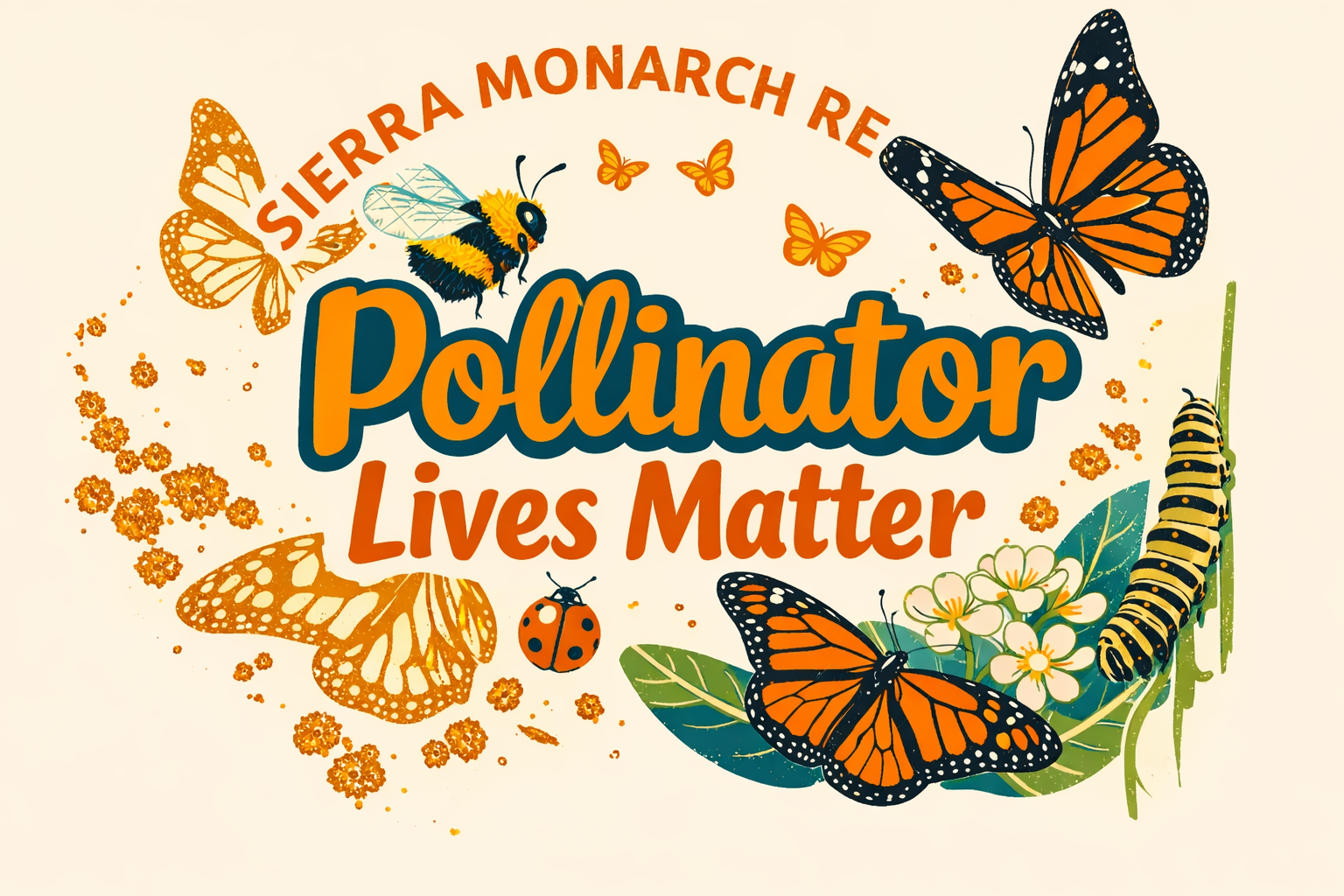
Get your wings!
A chain of 10,000 public and private habitat sites forming a protected 270-mile pollinator flyway providing nutritious forage for the migration of the “little spirits.”...
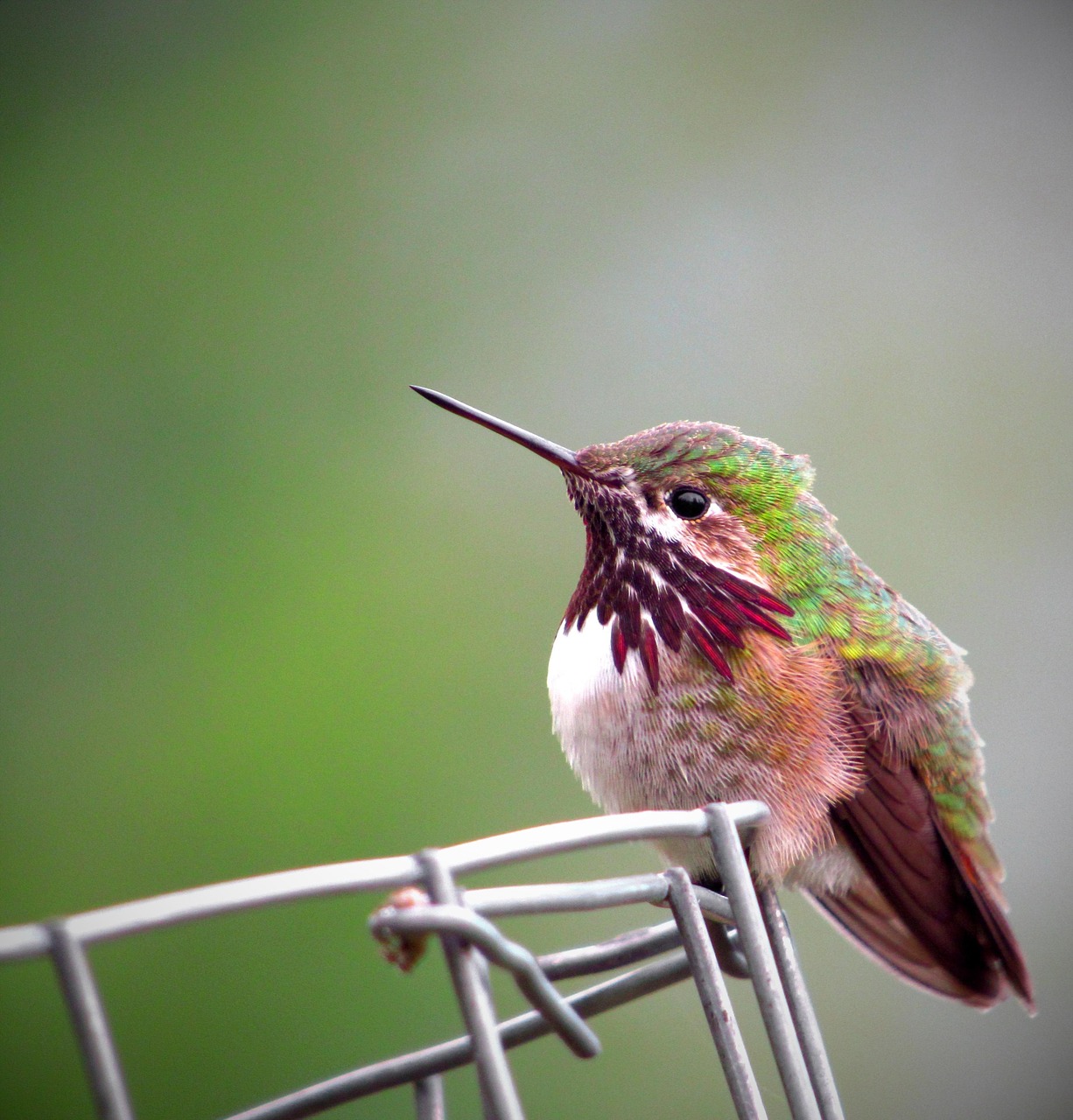
Identify little spirits
Learn to recognize the little spirits that sustain our landscapes — butterflies, bats, bees, birds, moths, beneficial insects, and the native plants that nourish them....
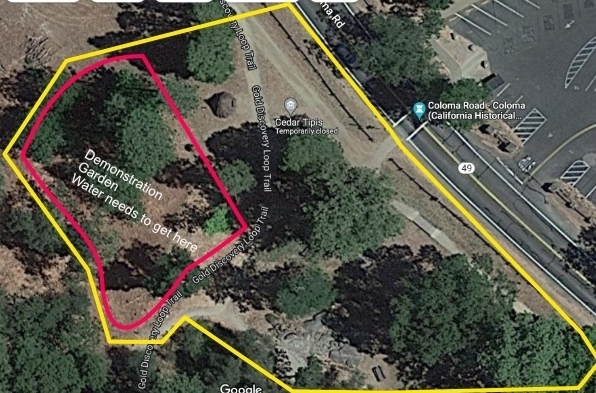
Nisenan Garden
Volunteer at our public demonstration garden at Marshall Gold Discovery State Historic Park in Coloma, where traditional Nisenan ecological knowledge guides the restoration of native pollinator plants...
Get your wings!
Learn to recognize the little spirits that sustain our landscapes — butterflies, bees, birds, moths, beneficial insects, and the native plants that nourish them...
10-Year Flyway Goals
In the 1970's Monarch Butterflies flew in the millions... they can again...
270
Miles
10,000
Protected
Habitats
10,000
Land stewards
2,500+
Acres
Subscribe
Subscribe to receive updates on the project:
