Sierra Monarch Rescue
Welcome the little spirits.
Bee part of the Flyway!
Sign-up to receive your 2026 milkweed plants and help restore the 270-mile pollinator migration path.
Support habitat restoration for the little spirits:
The free pollinator ecosystem sustains the cattle on the hills, the birds of the air, and life across the earth. No human technology can replace this living system. It must be cultivated and protected so all may live as the Creator designed. Genesis 1:26-28, 2:15, Proverbs 12:10
Nisenan Village Demonstration Garden
Marshall-Gold State Park
🌾 Nisenan Village Garden
Marshall Gold Discovery State Historic Park
The Nisenan Village Garden is a public demonstration site within the Sierra Monarch & Pollinator Flyway, located at Marshall Gold Discovery State Historic Park in Coloma. This project was initatially kickcked-off in November of 2022 with over 30 volunteers and is now going through a redesign after testing several methods, to be kicked-off in full force Fall of 2026.
This site receives over 70,000 visitors a year and showcases Tribal Ecological Knowledge, low-impact land stewardship, and pollinator habitat restoration using traditional practices.
🌿 A Living Demonstration Site
At the Nisenan Village Garden, restoration is guided by:
Native plant systems that support pollinators
Low-impact land management practices
Traditional tools, including scythe-based maintenance
Hands-on stewardship rooted in cultural knowledge
This site demonstrates how pollinator habitat can be restored and maintained without reliance on modern high-impact methods, while still supporting biodiversity and long-term ecological health.
Society Partnership with Marshall Gold Discovery State Park
The Nisenan Village Garden at Marshall Gold Discovery State Historic Park is developed through a formal partnership with California State Parks, District 4 leadership, and park staff, including the State Park Historian and plant specialists. The project was initatially kickcked-off in November of 2022 with over 30 volunteers and is now going through a redesign after testing several methods, to be kicked-off again in Fall of 2026. This work is led by the Wopumnes Nisenan and Mewuk Heritage Society of El Dorado County, whose board includes descendants of the historic Wopumnes Tribe—a documented Nisenan community of the Sierra foothills identified by James Marshall during the events of 1848 at Sutter’s Mill and among the signatories to the 1851 Treaty of Cosumnes River.
The Wopumnes are recognized in early ethnographic records and academic research, including studies associated with University of California, Davis and University of California, Berkeley, reflecting their longstanding presence and significance within the region. Today, their descendants are working in collaboration with the State Park system to re-establish a living cultural and ecological landscape at Coloma—bringing Tribal Ecological Knowledge, native plant restoration, and traditional stewardship practices back to a site of profound historical importance.
Through this partnership, the Nisenan Village Garden serves not only as a place of habitat restoration, but as a continuation of stewardship—ensuring that the original people of this land are actively guiding its care, interpretation, and future.
🦋 Part of the Sierra Monarch Flyway
The Nisenan Village Garden is one of multiple demonstration sites within the Sierra Monarch Flyway.
Together with our flagship Presley Lane nursery site, it helps demonstrate:
Multiple approaches to habitat restoration
Adaptability across environments
Integration of traditional and modern ecological practices
This dual-site model strengthens the Flyway as a scalable and culturally grounded restoration system.
👥 Volunteer with Us
Volunteers are welcome to help build and maintain the Nisenan Village Garden.
Activities may include:
Planting native pollinator plants
Preparing and maintaining garden beds
Supporting habitat restoration efforts
Assisting with educational and community events
This is an opportunity to participate in meaningful, hands-on restoration work and help prepare a place for the return of the “little spirits.”
👉 Join a Volunteer Day - coming soon!
🌱 Why This Site Matters
Situated within a public historic park, the Nisenan Village Garden provides:
A visible, accessible demonstration of restoration in action
A connection between cultural history and ecological stewardship
An educational space for visitors, volunteers, and community partners
A model for low-impact habitat restoration that can be replicated elsewhere
🌿 Help Us Re-Kickstart This Site
This site has been established and approved for development, and we are actively working to re-launch planting and stewardship efforts.
We welcome:
Volunteers
Partner organizations
Resource and material support
👉 Get involved and help bring this site back to life - coming soon!
What is the connection between Native people and butterflies?
The answer is stewardship.
The words Nisenan and Mewuk both mean “the people” in their respective languages. For generations these communities served as careful stewards of the landscapes stretching from the Sierra foothills through the Central Valley and toward the coast.
Today, that tradition continues.
The Wopumnes Nisenan and Mewuk Heritage Preservation Society invites a new generation of land stewards, habitat gardeners, and volunteers to carry forward this responsibility—preparing places where the little spirits may return.
Ancient Pathways Across the Land
Historical maps reveal something remarkable.
The traditional Nisenan and Mewuk trade routes that once connected Sierra foothill villages to the Central Valley and coastal regions closely follow the same landscapes used by migrating monarch butterflies. Whether the people followed the butterflies, or the butterflies followed the people, we may never know. But both traveled the same living pathways across the land.
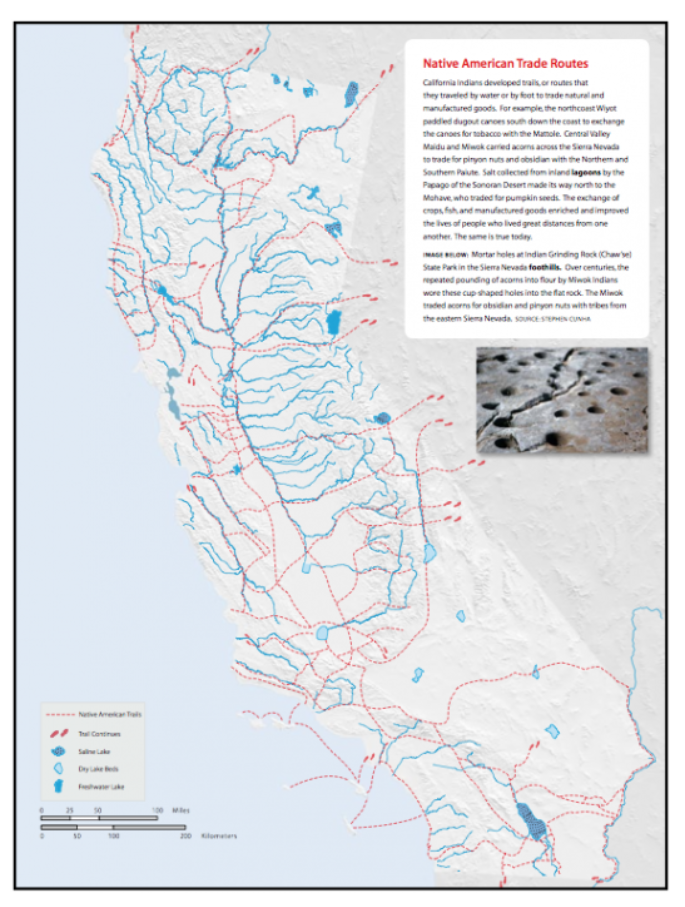
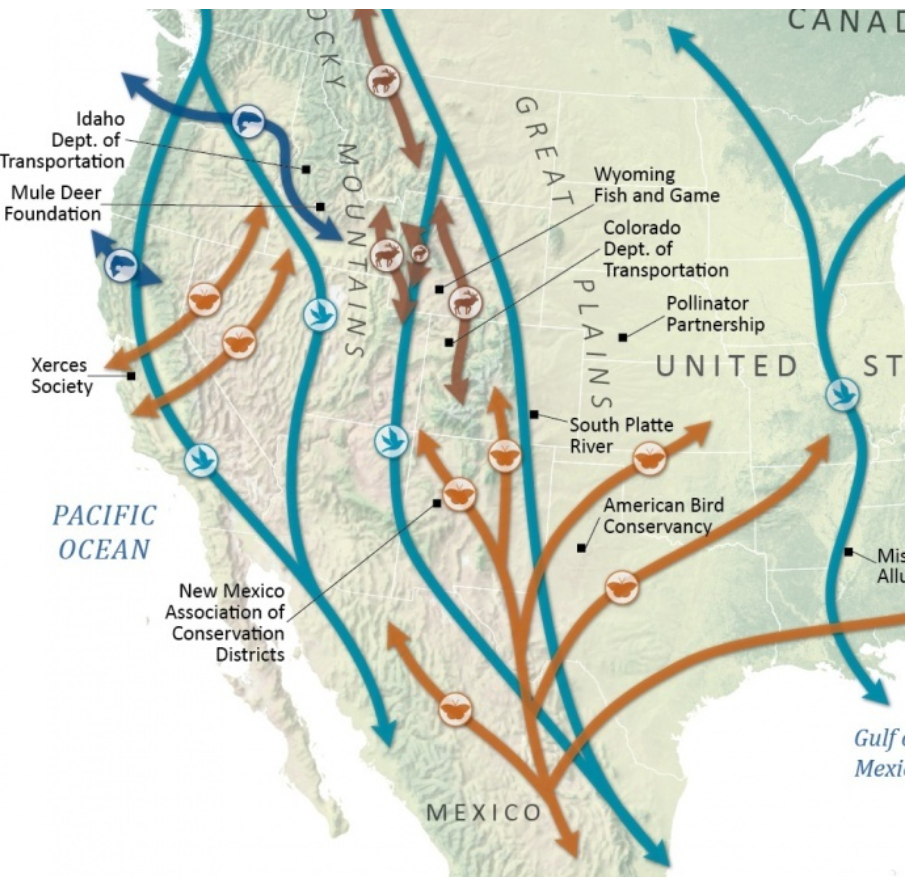
According to a UC Davis letter in support of our project, Native communities carefully tended these routes, planting and stewarding important forage plants along their travel corridors to ensure that food, medicine, and useful fibers were always available. These cultivated landscapes created a living chain of nourishment.
Milkweed and Nisenan Knowledge
A 1927 manuscript written by ethnographer Hugh Littlejohn of the University of California, Berkeley recorded interviews with members of the historic Wopumnes El Dorado Nisenan community of Shingle Springs, including Charles R. Padilla, Sam Kessler, and other elders.
In these interviews, Littlejohn documented that milkweed was an important plant for the Nisenan people, used both as food and for cordage. The young milkweed pods were prepared and cooked as a seasonal food, while the plant’s fibers were used for practical materials.
Milkweed nourished the people. Milkweed also nourishes the monarch butterfly.
When members of today's Wopumnes community rediscovered this manuscript nearly a century later, they recognized how closely their own cultural plant knowledge was connected to the monarch butterfly’s life cycle. That discovery inspired the creation of the Sierra Monarch Flyway Project.
Rebuilding the Flyway
The Sierra Monarch Flyway restores pollinator habitat across a 270-mile corridor from the Sierra foothills to the monarch sanctuaries of Monterey Bay. The project is building a network of 10,000 habitat sites planted with milkweed and native nectar plants that support monarch butterflies and other pollinators.
These habitats may include:
• private gardens
• farms and vineyards
• community gardens
• schoolyards
• parks and public lands
• restoration projects
Together they form a living wildlife corridor across California.
Community Land Stewardship
The Flyway is built through community participation.
Everyone can help restore the corridor.
🦋 Registered Flyway Land Stewards
Properties that establish core habitat sites and conservation easements.
🌸 Community Habitat Participants
Gardens and landscapes that support pollinators.
🤝🦋 Flyway Volunteers
Helping plant habitats, grow native plants, and support restoration.
🌎🦋 Flyway Partners
Farms, wineries, schools, and organizations that host Flyway stops.
Together we rebuild the flowering pathways that once supported both people and pollinators.
The Sierra Monarch Flyway Trail
The Flyway also forms a self-guided exploration route called the Sierra Monarch Flyway Trail.
Visitors can follow the corridor across California, stopping at pollinator gardens, farms, demonstration sites, and scenic habitats along the way.
Travelers are invited to record their discoveries through Po-Go, contributing to a growing record of pollinator activity along the Flyway.
Each season reveals something new.
Preparing the Way
In the 1970’s monarch butterflies were recorded in the millions across California.
By restoring milkweed and reconnecting landscapes, the Sierra Monarch Flyway helps prepare the path for their return.
The Wopumnes welcome a new generation of land stewards and volunteers to continue this tradition.
Together we prepare places where the little spirits may return.

Get your wings!
A chain of 10,000 public and private habitat sites forming a protected 270-mile pollinator flyway providing nutritious forage for the migration of the “little spirits.”...
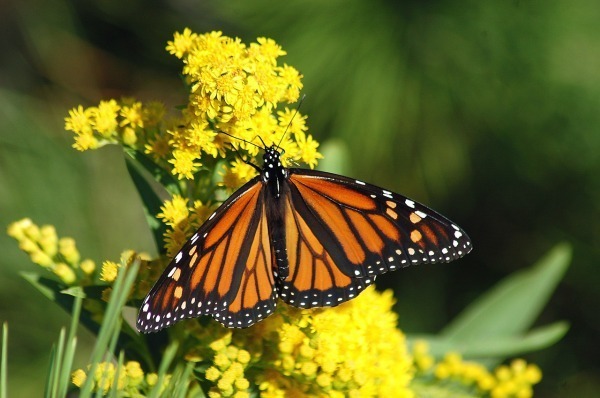
Identify little spirits
Learn to recognize the little spirits that sustain our landscapes — butterflies, bats, bees, birds, moths, beneficial insects, and the native plants that nourish them....
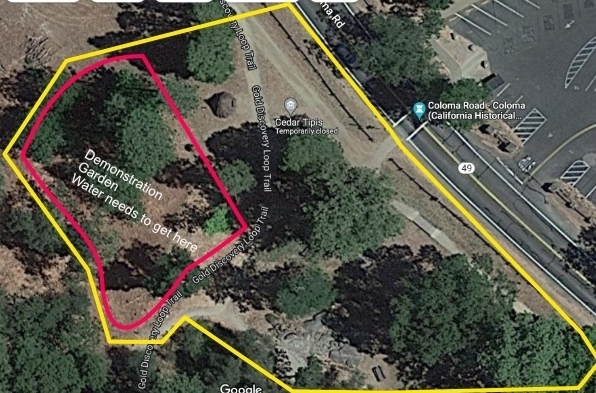
Nisenan Garden
Volunteer at our public demonstration garden at Marshall Gold Discovery State Historic Park in Coloma, where traditional Nisenan ecological knowledge guides the restoration of native pollinator plants...
Get your wings!
Learn to recognize the little spirits that sustain our landscapes — butterflies, bees, birds, moths, beneficial insects, and the native plants that nourish them...
10-Year Flyway Goals
In the 1970's Monarch Butterflies flew in the millions... they can again...
270
Miles
10,000
Protected
Habitats
10,000
Land stewards
2,500+
Acres
Subscribe
Subscribe to receive updates on the project:
